
Patient Stories
Read Patient Stories
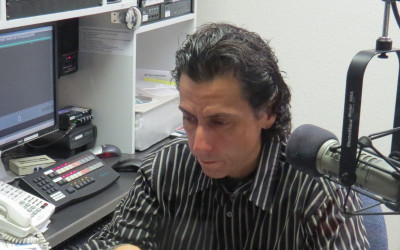
Hyperacusis Documentary: A Noisy Life
In a moving documentary, Anthony Ochoa describes the many ways his life has been altered by hyperacusis. Anthony lives in Los Angeles and works as an audio engineer. Watch as Anthony describes how even his own voice can hurt his ears and see how he manages life in...
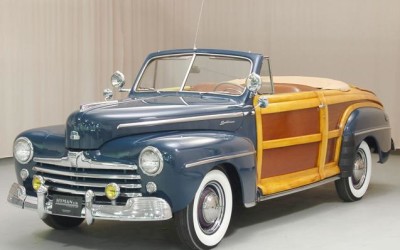
An Automotive Journalist’s Story
I have Tullio, a severe hyperacusis condition wherein noise will create pain and vertigo. I was diagnosed with Meniere's in 1989 after many years of being around loud noises from engines, workshop machines, open vehicles, etc., with no ear protection. Other than a...

A Mother’s Hyperacusis Journey
My symptoms of hyperacusis started after acoustic trauma from a carbon monoxide detector that went off in very close range to my ears. I purchased a faulty carbon monoxide detector for my home, which went off twice in one week. In my attempt to turn off the alarm, I...
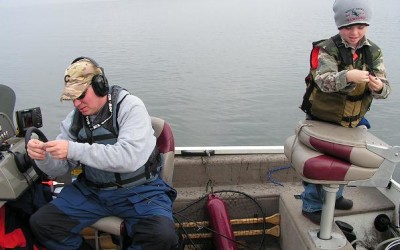
Jesse’s Story
Jesse's hyperacusis was caused by exposure to loud weapons in the military. Now, eight years after the initial onset, Jesse struggles to find ways to do simple things like fishing with his son because even a loud voice can create pain. After following a treatment...